
What To Do When Someone Dies


"A.J.Wakely & Sons, a family business that has cared for over 100 years."
It can be a confusing and extremely difficult time when a friend or loved one passes away. If you are responsible for arranging the funeral it can also become overwhelming when you begin to take into account what must be considered and arranged.
When to register a death?
From the 9th September 2024, when a person dies, a Medical Examiner will review the medical records to ensure an accurate cause of death has been recorded and will contact the bereaved directly with this information. Only once you have been contacted by the Medical Examiner are you able to make an appointment to register the death.
Where to register the death?
The death should be registered in the District where the death occurred by visiting a local Registry Office. However, if you cannot get to a Registry Office within that District, then you can register the death at a Registry Office of your choice using the 'registration by declaration' service.

Who can register a death?
A relative should register the death.
If a relative can't register the death, you can do it if you:
- Were present at the time of death
- Are a senior administrator from the hospital (if the person died in hospital)
- Are the manager of the care home where the person died
- Are the occupier of the building where the person died
- Are in charge of making funeral arrangements

What to bring to the appointment
Bring the medical certificate showing the cause of death (signed by a doctor) with you.
If the coroner has ordered a post-mortem these details will be sent to the registrar.
To make sure you have the correct information, we recommend you bring the person's:
- Passport
- Birth Certificate
- Proof of address (e.g. utility bill)
- Medical card or NHS number
- Marriage or civil partnership certificate (if applicable)
You will need to tell the registrar:
- The person's full name at the time of death
- Any names previously used, e.g. maiden name
- The person's date and place of birth
- Their last address
- Their occupation
- The full name, date of birth and occupation of a surviving or late spouse or civil partner
- Whether they were getting a State Pension or any other benefits
Documents you will be given at the appointment:
When you register a death you will receive the following documents:
- Certificate for Burial or Cremation (green form) which allows the funeral to go ahead
- You can also buy copies of the Death Certificate, which you will need for dealing with anything of a financial nature i.e. bank accounts, savings accounts, investments, mobile phone contracts, credit / loan agreements or private pensions. These cost £11 each at the appointment but you can buy more copies of the Death Certificate later
Please note: Dealings with the Department for Work and Pensions (DWP) is now dealt with by the Registrar.
Tell Us Once
Tell Us Once is a free of charge service that lets you report a death to most government organisations in one go. For example, HM Passport Office, DVLA for driving licence, Council tax, Blue Badge, Library cards and so on.
When you register the death the registrar will:
- Let you know if the service is available in your area
- Give you the phone number
- Give you a unique reference number to use the Tell Us Once service online or by phone
After you register the death, you must use the service within 28 days.

You’ll need the following details of the person who died:
- Date of birth
- National Insurance number
- Driving licence number
- Vehicle registration number
- Passport number
You’ll also need:
- Details of any benefits or entitlements they were getting, for example State Pension
- Details of any local council services they were getting, for example Blue Badge
- The name and address of their next of kin
- The name and address of any surviving spouse or civil partner
- The name, address and contact details of the person or company dealing with their estate (property, belongings and money), known as their ‘executor’ or ‘administrator’
- Details of any public sector or armed forces pension schemes they were getting or paying into
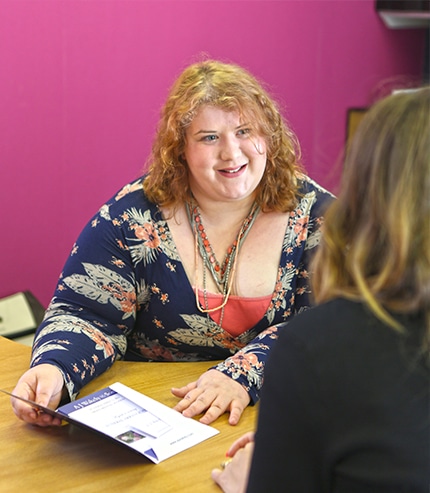
Please get in touch at any time to discuss your requirements or for information and advice.
Contact Your Local Office
Contact Your Local Office

Companies House Registration Number: 1977927
VAT Registration Number: 634 3801 52